December 12, 2020 Morning

Owen – Starkville, MS. Start on Rip’s Ride, end on Colorado Super Chair. How to get rid of the wedge? … can be done, not that easy. Start with traversing with parallel skis, somewhat even weight, side slipping while traversing, less dependency on downhill ski, steering tips uphill at end of traverse, lots of garlands turning uphill from a slipping traverse, releasing the inside ski, starting the turn with the inside ski, balance, more motion in ankles and knees, not so much break at the waist, speed control with friction and shaping, using less of the slope – big traverse not needed.
December 12, 2020

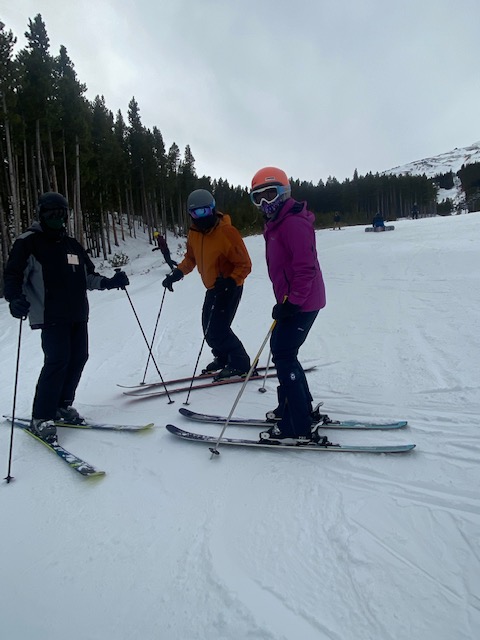
Diane – Salt Lake City. Slow the ski direction change down at top of turn, let the turn develop, tip then steer, both skis on snow (no lifting inside ski to match), dynamic range of leg flex/extend, most flexed at finish of turn, let the pole touch trigger the CM crossing over the skis to become inside the new turn, let the new inside ski lead, initiate the turn with the new inside ski, where is the ‘sweet spot’ of balance (foot pressure & shin pressure), rhythm to carry old turn energy into new turn (this helps initiation to new edges – A LOT), pivot turns (don’t lose sleep over these, practice and they will get better, if you are balanced at the sweet spot on your feet/skis, then both feet can pivot together), let the legs get separated from the body core (the more the better).

December 11, 2020

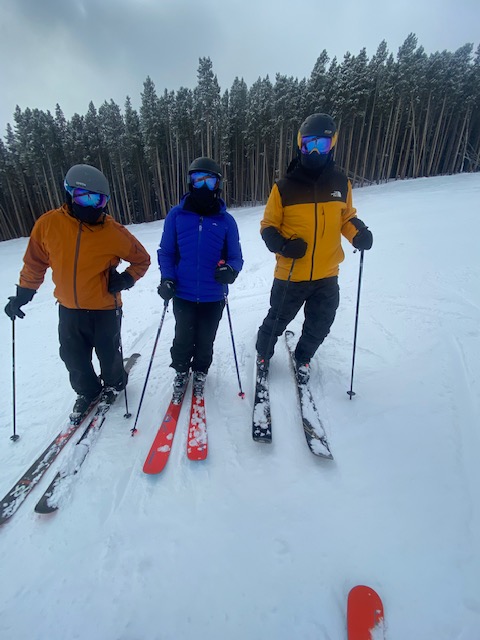
Diane, Tom, Doug – Salt Lake, Colorado Springs, Breckenridge. Upper level skiing – now the changes are subtle and take longer to ‘own’ … old habits die hard. At initiation: tip into a steer as opposed to steer into tipped skis, to follow a clean arc simultaneous new edge engagement is a must, then the shaping can begin, less rotary at initiation, much more at the finish when strong steering is needed when the ski is loaded up, check speed in bumps with a slight turn up hill/then release and let the body energy carry the CM into the new turn as both skis come onto the new edges, more pivot turns, side slips with pivot turns, pole touch, pole tip position (not in front of the feet), hands on knees drill to emphasis a more flexed athletic position, too much knee flexion without corresponding ankle flexion is a ticket to the rumble seat, smooth line in the bumps, absorption with flexion/extension.

December 9, 2020

Tom, Jerod, Ellen – Denver, Colorado Springs, Denver. Started out working with turn shape, toning down the quick rotation and bringing in more edge change at transition, CM (Center of Mass) crossover bringing the CM inside the new turn, AFTER edge change the steering to shape, three components of transition (pressure change, edge change, THEN leg rotation (steering)), active hip rotation, position of power, cleaner line in the bumps (don’t turn on every one), patience everywhere (let the ski work), how to manage pressure and actively create pressure, pivot turns (have faith, these will get better), arm position, upper body stability, side slips with pivot turns (these are not easy).

December 9, 2020

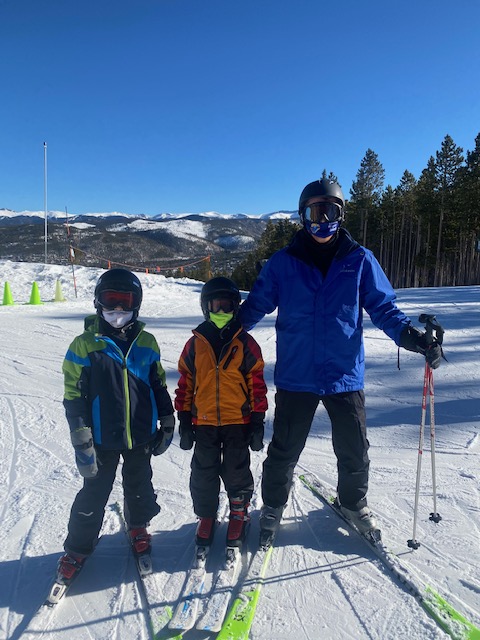
Charles, Charles Jr., Ian – Dallas. Dad, middle son, young son: Start on Rip’s Ride warming up, get the wedge going – spend rest of day getting the wedge gone. Less edges, flatter skis, side slips, controlling speed with shaping and friction, larger radius turns, patience at the transition, short turns are too edgy, tipping new inside ski to flatten and help matching, flex knees and ankles, staying forward, pole balance drill, using less of the run (not so much side to side, hold a tighter line), arms up and out for balance, jump in the traverse (well, jump anywhere, it’s good for balance).

December 6, 2020 – Afternoon

Guto – Brazil, Denver (and probably numerous places in between). Position of strength, open hips to outside of turn (just think more downhill), arms in athletic position (keep that weight forward), little pressure turns on one ski (these are kind of hard at first), keep head steady in bumps (flex and extent to absorb), no need to turn on every bump-keep the nice turn shape, at transition: tip from old edges to new edges with ankles/knees/leg rotation and letting the center of mass cross over feet to inside of new turn), tip both ski equally (if this doesn’t happen a wedge certainly will), start to pressure the inside edge of the new outside ski as the skis tip from old edges to new edges, maintain ‘grip’ always (if not, the skis will float, one ski will rotate faster than the other ski, speed will build up and turn shape will be ‘no shape). Be patient with the practice, Rome wasn’t built in a day, when the turn is right the body knows it.

December 6, 2020 – Morning

Emma – Pennsylvania (I think, didn’t write it down). Third of four lessons (that’s impressive, want a job at ski school?) … balance, arms up/out/forward, hips can rotate with the turn, flexion in ankles/knees/waist (not too much at waist), center of mass crosses over skis at transition (helps edge change), tipping with ankles/knees/femurs, tip to new edges at transition THEN begin to steer and shape, stay forward with shin pressure (almost can not get too forward), patience with first part of turn (not too twisty too quick), C shaped turns, speed control with friction from shaping and turn across and up hill when needed, flex/extend in bumps, no need to turn on every bump/keep the nice round turns (as much as possible), clean edge change means continuous ‘grip’.

December 5, 2020

Olivia (somewhere close to Houston), April (Austin). Getting rid of the wedge (is this ever a recurring theme), how to match that inside ski that hangs up, how not to let the inside ski even get hung up (no wedge), tipping the inside foot to flatten ski an get it on the outside edge to match other ski, balance, shin pressure, flex ankles and knees, pelvis over boots, initiate turn with an opening of the knee to bring weight forward, tipping and steering both feet/skis together, skidding, skidding and more skidding, speed control from friction/turns/completing the turn (NOT from the wedge), hands and arms up and forward (no being lazy with this one), what is leg rotation (steering) and how to do it together with both legs.